One of the most common questions couples ask during the planning process is how many hours do you need a wedding photographer? And the honest answer is… it depends. Not on trends or what someone else booked, but on how your day is structured and how you want it to feel.
Wedding photography coverage isn’t about squeezing as much as possible into a timeline. It’s about creating enough space to capture your day fully without rushing through the moments that matter most.
Let’s walk through what actually influences how many hours of wedding photography you’ll need.
The Biggest Thing Couples Don’t Realize About Coverage Hours
When couples ask how many hours do you need a wedding photographer, they’re usually thinking about the “big moments”: ceremony, first kiss, first dance.
But your favorite images are often the ones you didn’t plan:
the way your mom looks at you while you’re getting ready, your partner’s nervous hands before the ceremony, the hug you didn’t know you needed, the ten seconds of quiet you share together right after the ceremony.
Those moments happen when your timeline isn’t tight and your photographer isn’t sprinting.

Before We Talk Numbers: What Kind of Wedding Day Are You Planning?
A few factors change everything when deciding how many hours of wedding photography you need:
- One location vs. multiple locations (travel time adds up fast)
- A first look vs. no first look
- Big wedding party and extended family photos (more people = more time)
- Early ceremony vs. late ceremony (lighting affects portrait timing)
If you want your day to feel slower, more intentional, and less “what’s next,” you’ll want coverage that supports that.
Getting Ready Photos: Plan for 1.5–2 Hours
Getting ready coverage is where your wedding story begins. It’s also where your gallery starts to feel personal, because these moments are so real and so fleeting.
This time typically includes:
Details (30–40 minutes)
This is where all the meaningful pieces come together. The flat lay, rings, invitation suite, heirlooms, perfume, shoes, vow books, and something borrowed. Each detail tells part of your story, and the more thoughtful details you include, the more time it takes to photograph them with intention and care. These images become part of your legacy, so if details matter to you, this time truly matters.
Real getting ready moments (20–30 minutes)
This isn’t just makeup being applied. It’s the energy in the room. The laughter. The deep breaths. It’s photos in those cute robes or pajamas, clinking glasses during a toast, and those quiet moments when it finally hits you: this is really happening!
Finished portraits (20–30 minutes)
Once you’re fully ready, dress on, final touches done, your photographer will capture a few bridal portraits in the best light available. These are the images that feel timeless. If you want getting ready to feel unrushed, especially with a larger bridal party or multiple locations, plan closer to 2–2.5 hours.

First Look + Pre-Ceremony Portraits: 45–90 Minutes
If you’re doing a first look, you’re giving yourselves something priceless: a private moment together before the day becomes a whirlwind. And from a photography standpoint, it opens up your timeline in the best way.
First look moment (15–20 minutes)
This part deserves time, not because you need to “perform” it, but because it allows the emotion to unfold naturally.
Wedding party photos (20–30 minutes)
If you’re doing wedding party photos before the ceremony, time depends on party size and location. Larger wedding parties take longer than people expect.
If you’re not doing a first look: We’ll usually shift couple portraits to later (often cocktail hour + golden hour), which can change how many hours you need a wedding photographer.

Ceremony + “Just Married” Moments: 45–75 Minutes (Sometimes More)
Ceremony (20–60 minutes)
Length depends on whether it’s a short ceremony, full mass, cultural traditions, etc.
Immediate post ceremony moments (10–15 minutes)
These are the hugs, tears, and “we did it” reactions. Some of the most emotional images of the entire day happen right here!
Buffer + transitions (10–20 minutes)
Walking to the family photo spot, coordinating people, moving locations, it all takes time.

Family Photos: 20–45 Minutes (Depending on Your List)
Family photos are meaningful, but they can get chaotic fast without a plan. And if your family list is long, you’ll want to be realistic with timing.
Most couples need:
- 20–30 minutes for a standard family list
- 30–45 minutes for large families, blended families, or extended groupings
Tip: Keep your list intentional. You want the meaningful groupings without spending your entire cocktail hour lining people up. A photographer with a clear system makes this smooth and stress free.
Couple Portraits Without a First Look: 30–60 Minutes Total
If you’re choosing to see each other at the aisle, that’s completely beautiful, and we just plan differently.
Typically, we’ll capture couple portraits in two chunks:
- 20–30 minutes during cocktail hour (or right after family photos)
- 10-20 minutes during golden hour
This is where having enough coverage matters. If your package ends early, couple portraits get squeezed, and you feel it.
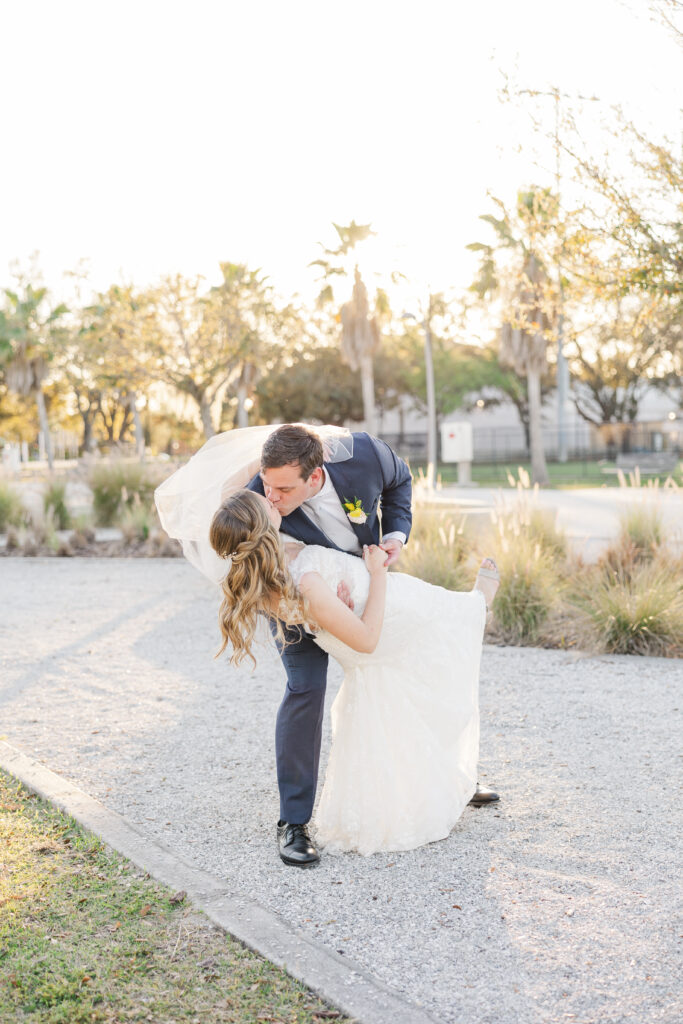
Golden Hour Portraits: 10–20 Minutes
If you want the soft, romantic glow that feels like it belongs in a film, golden hour is it.
Golden hour portraits are not about taking you away from your guests for a long time. They’re about giving you a short pause in the middle of the day to reconnect.
This time creates:
- dreamy, flattering light
- calmer energy after the ceremony
- images that feel timeless and emotional
If you’re asking how many hours do you need a wedding photographer and golden hour photos matter to you, you’ll want coverage that extends through sunset.
Reception Coverage: Plan for 2–4 Hours
Reception coverage is where your gallery becomes a full story because it captures not just the events, but the atmosphere.
Detail photos before guests enter (15–20 minutes)
Florals, table settings, candlelight, menus, and signage. These are the details you spent months designing. This time also allows for a room reveal or a few intimate couple portraits in the reception space before guests enter. It’s why having your photographer arrive early is so important, so these moments and details can be captured while the room is untouched and calm.
Key moments (45–90 minutes)
Depending on your reception flow:
- grand entrance
- first dance
- parent dances
- toasts
- cake cutting
- bouquet toss (if you’re doing it)
Dance floor + real candids (60–120 minutes)
This is where the personality comes out. The hugs, the laughing-crying, the friends you haven’t seen in years losing their minds on the dance floor.
If you want those “you had to be there” photos, you need enough hours for the reception to actually unfold.

The Quick Answer: How Many Hours Do You Need a Wedding Photographer?
Here’s a helpful guideline (with real-life context):
6 Hours
Best for: smaller weddings with under 50 guests, one location, minimal getting ready coverage, and a shorter reception coverage.
8 Hours
Best for: most traditional wedding days at one location
Usually covers: getting ready → ceremony → portraits → early reception moments
This is a very common sweet spot.
10 Hours
Best for: full storytelling and a relaxed, calm pace
This is my favorite coverage option. It allows space for the day to unfold naturally and be documented fully and really capture all those sweet candid moments.
Ideal if you have multiple locations, a larger bridal party or family list, want sunset portraits, or would like more of your reception captured.
A Simple Way to Know What You Need
If you want:
- getting ready moments that feel real
- time for portraits without stress
- golden hour photos
- reception candids that actually capture the fun
- …then you likely need 8–10 hours.
If you want your day documented like a story, from the quiet beginning to the joyful end, choose coverage that gives you room to be present.
Because when couples ask how many hours do you need a wedding photographer, what they’re really asking is:“Will we feel rushed?”
And the best answer is: not if we plan for space.